Implant pricing across Colorado varies dramatically based on location, practice expertise, and factors most patients never consider until they're already in the chair. Understanding what you'll actually pay for a single tooth implant requires looking beyond advertised base prices to the complete investment required for successful treatment.
The Real Numbers: Single Tooth Implant Cost Across Colorado
Colorado patients pay an average of $4,734 for a single tooth implant in 2026, according to current surgery cost data. This figure runs 5.2% higher than the national average, reflecting the state's higher overhead costs and specialized expertise requirements.
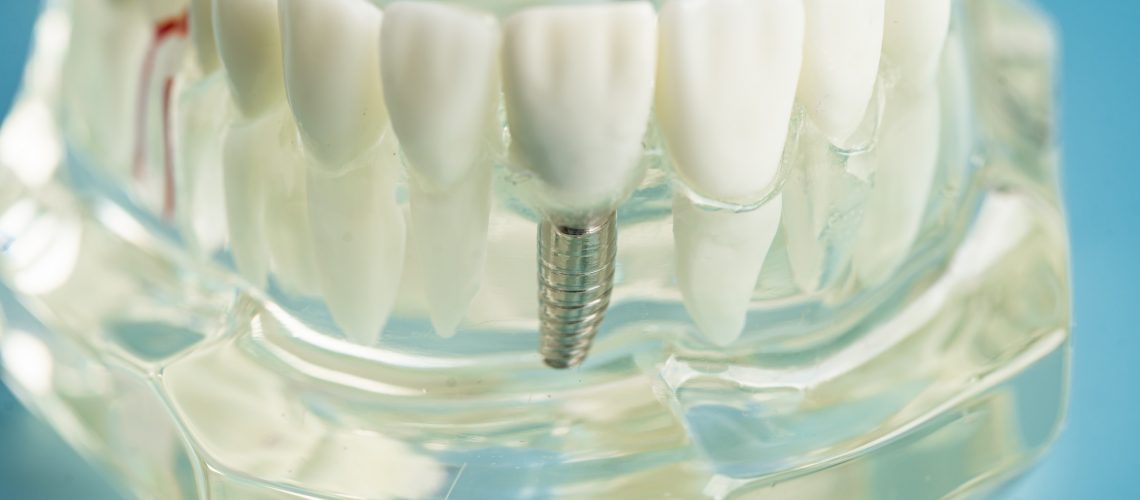
The complete price includes three essential components: the titanium implant post that integrates with your jawbone, the abutment that connects the implant to your replacement tooth, and the custom crown that restores function and appearance.
Regional variations across Colorado create significant price differences. Grand Junction practices typically charge between $4,200 and $5,800 for complete single implant treatment, while Montrose providers range from $3,800 to $5,400. Denver metro area costs often exceed $6,000 due to higher commercial real estate and increased demand for cosmetic procedures. Rural practices on the Western Slope sometimes offer lower base prices but may require referrals to specialists, adding travel costs and coordination complexity.
The 5.2% premium Colorado patients pay reflects several economic factors: higher practice insurance costs driven by outdoor recreation injury rates, equipment financing adjustments for altitude, and a competitive market for dental professionals drawn to Colorado's quality of life — all of which drive up compensation and facility investments.
What's Actually Included in Your Implant Investment
A complete single tooth implant system requires three distinct components manufactured to work together seamlessly. The implant post, typically made from medical-grade titanium, serves as an artificial tooth root that fuses with your jawbone through osseointegration. The abutment acts as a connector piece, custom-angled to support your replacement tooth in proper position. The crown, crafted from porcelain or ceramic materials, provides the visible tooth structure that matches your natural smile.
Quality differences between implant systems significantly impact both cost and long-term success rates. Premium implant brands like Nobel Biocare and Straumann cost practices $800 to $1,200 per implant but offer superior surface treatments and extensive research backing. Budget implant systems may cost practices only $300 to $500 but lack long-term clinical data and may carry higher failure rates. Crown quality varies as well — laboratory-crafted porcelain crowns cost $1,200 to $1,800 compared to $600 to $900 for standard ceramic alternatives.
Additional procedures often increase your total investment beyond the base implant cost. Bone grafting adds $800 to $2,400 depending on graft material and complexity. Tooth extraction, if needed, typically costs $200 to $600 for simple cases or up to $1,500 for surgical removal. Sinus lifts, required for upper back teeth in many cases, add $2,000 to $4,500 to treatment costs.
Hidden Costs That Catch Patients Off Guard
Pre-surgical requirements often add $400 to $800 to your total investment. CBCT imaging — essential for precise implant placement — costs $200 to $350 at most practices. Comprehensive periodontal evaluation adds $150 to $250, and medical clearance from your physician may require additional appointments. Some practices include these costs in their quoted price; others present them as separate line items during treatment planning.
Temporary tooth replacement during the 3–6 month healing period is another expense many patients don't anticipate. Removable partial dentures cost $500 to $1,200, while temporary bonded bridges range from $800 to $1,500. Some patients opt to go without a temporary for back teeth, but front tooth replacement is typically necessary for professional and social comfort. Follow-up appointments and crown adjustments after final restoration placement may also incur additional fees of $100 to $300 per visit at some practices.
Why Prices Vary So Much on Colorado's Western Slope
Geographic isolation significantly impacts implant costs across the Western Slope. Practices in Grand Junction and Montrose face higher supply chain costs due to distance from major distribution centers, with specialized implant components often requiring expedited shipping that adds 15–20% to material costs compared to Front Range practices. Most high-quality dental labs operate out of Denver or Colorado Springs, meaning longer turnaround times and higher shipping fees for custom work.
Specialist availability creates another major pricing factor. Oral surgeons and periodontists concentrate in larger population centers, forcing many general dentists to either refer complex cases — splitting costs across multiple providers — or invest heavily in advanced training and equipment that must be recovered through higher per-case fees.
Practice volume also plays a significant role. High-volume implant practices in Grand Junction may place 200–300 implants annually, allowing them to negotiate better supply costs and spread equipment expenses across more cases. Smaller practices placing 20–50 implants yearly must charge higher fees to cover the same fixed costs.
Insurance Coverage and Payment Options in Colorado
Major Colorado insurance providers have expanded their implant coverage in recent years. Delta Dental Colorado now covers 50% of implant treatment up to annual maximums for many group plans, while Cigna and Aetna typically provide 40–50% coverage when implants are deemed medically necessary rather than cosmetic. United Healthcare plans vary widely — some cover implants at the same rate as crowns and bridges, while others exclude implant treatment entirely.
Medical insurance may also contribute when tooth loss results from accidents, cancer treatment, or other covered medical conditions. Trauma-related tooth loss from skiing, hiking, or vehicle accidents may qualify for medical coverage, though navigating the documentation and pre-authorization process requires a dental practice experienced with medical-dental coordination.
Third-party financing remains the most common solution for patients whose insurance falls short. CareCredit offers 0% interest for 12–24 months on approved credit. LendingClub and Prosper provide longer-term fixed-rate loans for patients who prefer predictable monthly payments. Many practices also offer in-house payment plans with more flexible approval criteria than traditional financing companies.
Making Implants Affordable: Real Payment Strategies
Timing your treatment strategically across benefit years can effectively double your available insurance coverage. Scheduling implant placement in December and crown delivery in January lets you apply two separate annual maximums to a single treatment. HSA and FSA accounts provide another tax-advantaged option, allowing you to use pre-tax dollars for the entire procedure cost.
In-house payment plans often offer more flexibility than third-party financing — no credit checks, no lengthy approval process, and some practices offer case completion discounts of 5–10% for patients who pay in full before treatment begins.
Choosing Quality Over Price: What Colorado Patients Should Know
Unusually low implant prices often indicate compromises in materials, technique, or follow-up care. Practices advertising $1,500 implants typically use unknown implant brands with limited clinical data. Some discount providers place implants without proper diagnostic imaging or surgical guides, increasing complication risk. Others quote low prices for placement alone while charging premium rates for the required crown and abutment.
Before committing to a provider, ask about the implant brand and its documented success rates over at least five years. Request information about surgeon training and annual placement volume — experience directly correlates with outcomes. Ask about warranty policies and what happens if complications arise during healing or after crown placement. Quality practices provide clear, detailed answers before requiring any payment commitment.
Long-term value often justifies a higher upfront investment. Premium implant systems with 25-year clinical data may cost $1,000–2,000 more initially but offer superior longevity compared to budget alternatives that may require retreatment within 10–15 years. Experienced implant providers may charge 20–30% more than general dentists but typically achieve 95–98% success rates with fewer complications. Budget systems and less experienced providers may see success rates drop to 85–90% — meaning one in ten patients faces implant failure and costly retreatment within five years.
At Ohana Dental, we believe transparent pricing and comprehensive treatment planning help our Grand Junction, Clifton, and Montrose patients make confident, informed decisions about their implant investment. Contact us today for a complimentary consultation and pricing specific to your situation.
Frequently Asked Questions
How much does a single tooth implant cost in Grand Junction, Colorado?
Single tooth implants in Grand Junction typically cost between $4,200 and $5,800 for complete treatment including the implant post, abutment, and crown. This falls slightly below Colorado's statewide average of $4,734 due to lower overhead costs compared to Denver metro area practices.
Does insurance cover dental implants in Colorado?
Many Colorado insurance plans now cover 40–50% of implant costs when deemed medically necessary rather than cosmetic. Delta Dental Colorado, Cigna, and Aetna typically provide the best implant coverage, though annual maximum limits still apply. Medical insurance may also contribute when tooth loss results from accidents or qualifying medical conditions.
What financing options are available for dental implants?
CareCredit offers 0% interest for 12–24 months and is widely accepted by Colorado dental practices. LendingClub and Prosper provide longer-term fixed-rate loans for patients who prefer predictable payments. Many practices, including Ohana Dental, also offer in-house payment plans with flexible approval criteria.
How long do dental implants last and are they worth the cost?
Quality dental implants typically last 25 or more years with proper care, making them more cost-effective over time than bridges or dentures that require regular replacement. Premium implant systems have documented success rates of 95–98% over decades of clinical use.
Can I get a dental implant the same day as tooth extraction?
Immediate implant placement is possible in certain cases but depends on bone quality, infection status, and implant site conditions. Many Colorado practices offer same-day placement and temporary crowns, though final restoration typically requires 3–6 months of healing time to confirm proper osseointegration.