
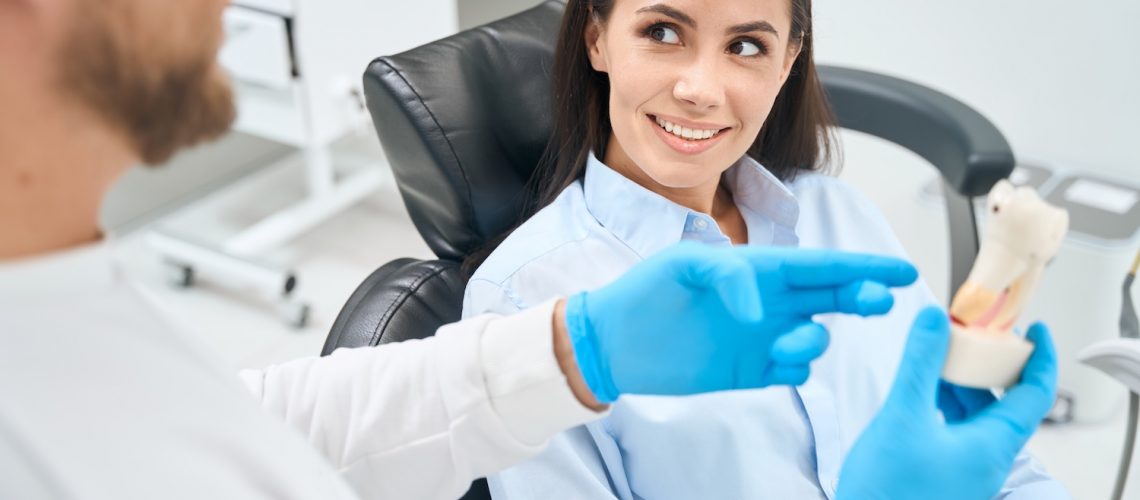
Many patients who are told they "don't have enough bone" for dental implants assume that implants aren't an option for them. In most cases, that's not true. Bone grafting for dental implants is a well-established preparatory procedure that rebuilds the jaw structure needed for successful implant placement — and for the majority of patients, it's a routine part of treatment rather than a barrier to it.
Understanding what bone grafting involves, when it's needed, and how it affects your treatment timeline helps you make a confident, informed decision about your implant path at Ohana Dental Implant Centers in Grand Junction, Clifton, and Montrose.
Why Bone Grafting for Dental Implants Is Sometimes Necessary
Dental implants require a minimum volume of healthy bone to achieve the primary stability needed for osseointegration — the fusion process that makes implants permanent. When that bone volume isn't present, a graft is placed to regenerate it before or during implant surgery.
Bone loss occurs for several reasons:
- Tooth loss itself — the jawbone begins resorbing within weeks of losing a tooth, with the most significant loss occurring in the first year
- Long-term denture wear — the pressure of dentures against the gum ridge accelerates bone resorption over time
- Gum disease — advanced periodontal disease destroys the bone supporting natural teeth
- Trauma or infection — injury or untreated dental infections can damage bone structure
- Congenital deficiency — some patients have naturally thin ridges or inadequate bone volume
The longer a tooth has been missing, the more bone loss has typically occurred — which is one of the most important reasons to pursue implant treatment sooner rather than later.
Types of Bone Grafts Used for Dental Implants
Socket Preservation Graft
Performed at the time of tooth extraction, a socket preservation graft fills the extraction site with bone graft material before it has a chance to collapse. This is the simplest and most common type of graft and significantly reduces the amount of bone loss that would otherwise occur during the healing period. When a socket preservation graft is planned, implant placement can often occur on an accelerated timeline.
Ridge Augmentation
When significant bone loss has already occurred, a ridge augmentation graft rebuilds the height and width of the jaw ridge to create an adequate foundation for implant placement. This type of graft typically requires 4–6 months of healing before implant surgery can proceed.
Sinus Lift
Upper back teeth sit close to the sinus cavities, and bone loss in this area can leave insufficient clearance for implants without encroaching on the sinus. A sinus lift elevates the sinus membrane and places graft material in the space below, creating the vertical bone height needed for implant placement. Sinus lifts add $2,000–$4,500 to treatment costs and 4–6 months to the timeline, but they allow the majority of patients with upper posterior bone loss to receive implants successfully.
Immediate Implant with Simultaneous Grafting
In many cases, a small amount of grafting can be performed at the same time as implant placement rather than as a separate staged procedure. This approach shortens the overall treatment timeline and is increasingly common when gaps between the implant and the surrounding bone wall need to be filled to encourage complete osseointegration.
What Bone Graft Material Is Used
Several types of bone graft material are used in implant dentistry, each with specific advantages:
- Autograft (your own bone) — harvested from another site in your mouth or body; considered the gold standard but requires a second surgical site
- Allograft (donor bone) — processed human bone from a tissue bank; the most commonly used material, rigorously screened and sterilized
- Xenograft (animal-derived) — typically bovine bone mineral; excellent structural properties and widely used with strong clinical data
- Alloplast (synthetic) — manufactured bone substitute materials; no donor site required and appropriate for many applications
Dr. Motufau selects graft material based on the volume needed, the location being grafted, and your individual healing profile. Most patients receive allograft or xenograft material, which eliminates the need to harvest bone from a second surgical site while delivering reliable results.
Bone Grafting Cost in Colorado
The cost of bone grafting varies significantly based on the type and volume of graft required. General ranges for Western Slope Colorado patients:
- Socket preservation graft: $300–$800 per site
- Minor ridge augmentation: $800–$1,500
- Major ridge augmentation: $1,500–$3,000+
- Sinus lift (lateral approach): $2,000–$4,500
Many patients require only minor grafting that can be performed simultaneously with implant placement at no significant additional appointment cost. Your CBCT evaluation at Ohana will identify exactly what your situation requires before any treatment begins, so there are no surprises in your treatment plan.
Recovery and What to Expect
Bone graft recovery is generally manageable for most patients. The surgical site will be tender and swollen for 3–5 days following the procedure, and most patients return to normal activity within a week. Your care team will provide specific dietary guidelines — typically soft foods for 1–2 weeks — and a detailed home care protocol to protect the graft site during initial healing.
The critical healing period is the 4–6 months during which new bone forms within the graft material. During this time, the graft site should not be disturbed, and your follow-up schedule will allow Dr. Motufau to monitor healing progress before scheduling implant placement.
Does Having a Bone Graft Affect Implant Success Rates?
When performed correctly and allowed to heal fully, bone-grafted sites support implants with success rates comparable to native bone — in the 95–98% range with premium implant systems. The key factors are ensuring complete graft maturation before implant placement, using appropriate graft volumes and materials, and following post-operative protocols carefully.
Patients who have concerns about bone volume should not delay seeking a consultation. The longer the delay, the more bone loss progresses — potentially turning a straightforward graft case into a more complex and costly reconstruction.
Schedule your complimentary consultation at Ohana Dental Implant Centers in Grand Junction, Clifton, or Montrose. Your evaluation includes CBCT imaging that gives Dr. Motufau a precise picture of your bone volume and allows us to outline exactly what your implant path looks like — including whether grafting is needed and how it affects your timeline and cost.
Frequently Asked Questions
How long does bone grafting add to the dental implant process?
It depends on the type and extent of grafting needed. Socket preservation grafts performed at extraction can reduce delays significantly. Standalone ridge augmentation or sinus lifts typically add 4–6 months to the timeline before implant placement can occur. In many cases, minor grafting can be done simultaneously with implant placement, adding no extra time to treatment.
Is bone grafting painful?
Bone grafting is performed under local anesthesia, and sedation options are available at Ohana Dental for patients who prefer deeper comfort during the procedure. Post-operative discomfort is typically manageable with over-the-counter pain medication and resolves within several days for most patients.
Can I get dental implants without a bone graft if I have some bone loss?
In many cases, yes. The extent of bone loss and the planned implant position determine whether grafting is necessary. For full arch cases, the All-on-4 technique uses angled implants specifically designed to work around bone deficiency, often eliminating the need for grafting entirely. Your CBCT scan at consultation will provide the definitive answer for your situation.
Does insurance cover bone grafting for dental implants?
Some dental and medical insurance plans provide partial coverage for bone grafting, particularly when tooth loss resulted from trauma, infection, or a covered medical condition. Coverage varies significantly by plan. Ohana Dental's treatment coordinators review your specific insurance benefits at your consultation and identify all available coverage before treatment begins.
How do I know if I need a bone graft before implants?
The only reliable way to determine bone volume is through CBCT (3D) imaging, which Ohana Dental performs as part of your complimentary consultation. Standard dental X-rays show bone height but not width or density — a CBCT scan provides the complete three-dimensional picture needed to assess your candidacy and plan your treatment accurately.